
Feeling Tired During Pregnancy? It Could Be Anaemia: Know the Signs and Treatment
By Priyambda Sahay
Reviewed by : Ujala Cygnus
August 31, 2026
Anaemia during pregnancy is a common condition in which the body does not have enough healthy red blood cells or haemoglobin to carry adequate oxygen to the body's tissues and the developing baby.
During pregnancy, the body needs to produce more blood to support the growing baby. This increases the demand for iron, folate and vitamin B12. When the body does not receive or absorb enough of these nutrients, anaemia can develop.
Iron-deficiency anaemia is the most common type of anaemia during pregnancy. However, anaemia can have several causes, so proper evaluation is important.
According to general nutritional recommendations, the daily iron requirement during pregnancy is approximately 27 mg per day, although individual requirements and supplementation should be guided by a healthcare professional.
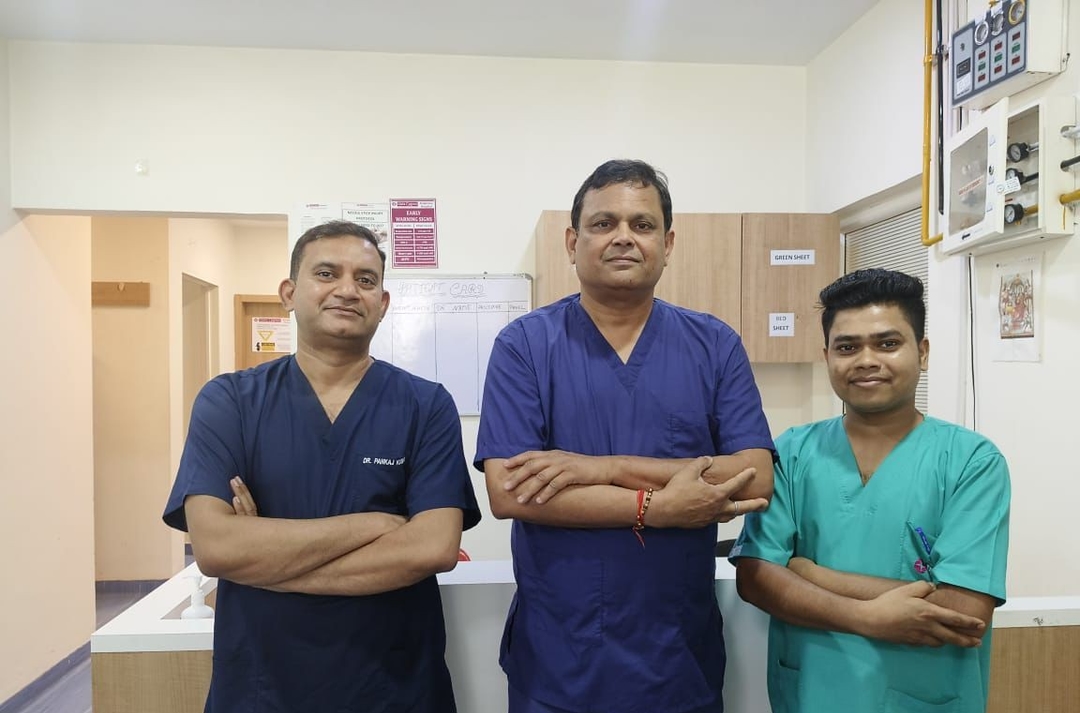
Dr.
Nidhi Sadhana, Consultant – Gynecology at
Ujala
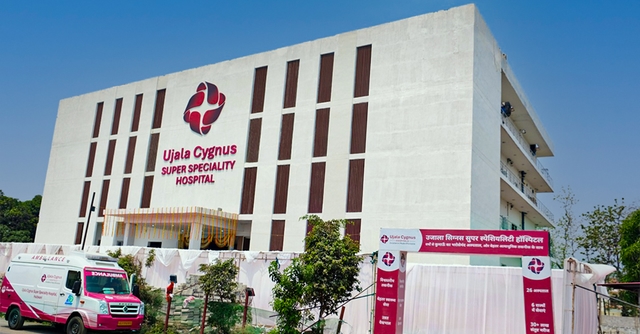
Cygnus Amritdhara My Hospital, Karnal,
answers a few important questions about anaemia during pregnancy.
What Happens When a Pregnant Woman Has Anaemia?
Haemoglobin is an iron-containing protein in red blood cells that carries oxygen from the lungs to the rest of the body.
When haemoglobin levels are low, the body's tissues may receive less oxygen. A pregnant woman may experience:
Tiredness and weakness
Shortness of breath
Dizziness or light-headedness
Headache
Pale skin
Fast heartbeat or palpitations
Reduced ability to perform routine activities
Mild anaemia may not cause noticeable symptoms. However, moderate or severe anaemia can affect a woman's health and pregnancy if it is not identified and managed appropriately.
Severe or untreated anaemia during pregnancy has been associated with complications such as preterm birth, low birth weight and maternal health problems.
What Are the Different Types of Anaemia During Pregnancy?
The most common nutritional causes include:
1. Iron-Deficiency Anaemia
Iron is essential for the production of haemoglobin. During pregnancy, the body requires additional iron to support the mother's increased blood volume and the baby's growth.
If dietary intake or iron stores are insufficient, iron-deficiency anaemia may develop.
2. Folate-Deficiency Anaemia
Folate, also known as vitamin B9, is required for the production of healthy red blood cells and normal fetal development.
Adequate folic acid intake before conception and during pregnancy is particularly important because it helps reduce the risk of neural tube defects in the developing baby.
3. Vitamin B12-Deficiency Anaemia
Vitamin B12 is also required for healthy red blood cell formation. A deficiency may occur because of inadequate dietary intake, problems with absorption or certain medical conditions.
Vegetarians and vegans may need particular attention to vitamin B12 intake, depending on their diet and individual nutritional status.
Why Is Anaemia More Common During Pregnancy?
Pregnancy naturally increases the body's requirement for nutrients involved in blood production.
The amount of blood in the mother's body increases significantly during pregnancy. At the same time, the developing baby requires nutrients, including iron and folate.
If the increased nutritional requirement is not met, the mother's iron or vitamin stores may become depleted.
Risk Factors for Anaemia During Pregnancy
Some women have a higher risk of developing anaemia. Risk factors include:
Multiple pregnancy, such as twins or triplets
Closely spaced pregnancies
Heavy menstrual bleeding before pregnancy
Poor dietary intake of iron or folate
Severe or persistent vomiting during pregnancy
Previous history of anaemia
Certain gastrointestinal conditions that affect nutrient absorption
Pregnancy during adolescence
Pre-existing medical conditions
Following a diet that does not provide sufficient iron or vitamin B12
Women with these risk factors may require closer monitoring during pregnancy.
What Are the Symptoms of Anaemia During Pregnancy?
The symptoms can vary depending on the severity of anaemia.
Common symptoms include:
Persistent fatigue
Weakness
Dizziness
Headache
Pale skin
Breathlessness, particularly during activity
Rapid heartbeat
Cold hands and feet
Difficulty concentrating
Because some of these symptoms can also occur during a normal pregnancy, blood tests are important for confirming anaemia.
How Is Anaemia Diagnosed During Pregnancy?
Anaemia is generally evaluated through blood tests.
A complete blood count (CBC) can provide information about haemoglobin and red blood cell characteristics.
Depending on the results and suspected cause, the doctor may recommend additional tests such as:
Serum ferritin
Iron studies
Vitamin B12 levels
Folate levels
Peripheral blood smear
Other investigations when clinically indicated
The test results help determine whether anaemia is related to iron deficiency, vitamin deficiency or another underlying condition.
How Can Anaemia Be Prevented During Pregnancy?
Good nutrition and appropriate prenatal supplementation can help prevent nutritional deficiencies.
Pregnant women should include a variety of nutrient-rich foods in their diet, such as:
Iron-rich foods
Green leafy vegetables
Pulses and lentils
Beans
Fortified cereals
Nuts and seeds
Eggs
Meat and poultry, if part of the diet
Folate-rich foods
Green leafy vegetables
Beans and lentils
Citrus fruits
Avocado
Fortified grains and cereals
Vitamin B12 sources
Milk and dairy products
Eggs
Meat and fish
Fortified foods
Supplements when recommended by a doctor
Combining plant-based sources of iron with foods rich in vitamin C can improve the absorption of non-haem iron. For example, lentils or leafy vegetables can be combined with citrus fruits, tomatoes or other vitamin-C-rich foods.
Can Tea and Coffee Affect Iron Absorption?
Yes, Tea and coffee contain compounds that can reduce the absorption of non-haem iron when consumed around meals.
Women who have iron deficiency may be advised to avoid taking tea or coffee close to iron-rich meals or iron supplements. Your doctor can advise you on the appropriate timing based on your diet and treatment.
What Is the Treatment for Anaemia During Pregnancy?
Treatment depends on the severity and cause of anaemia.
Iron supplements
For women with iron-deficiency anaemia, oral iron supplements are commonly prescribed. The dose and duration should be determined by the treating doctor.
Folic acid
Women with folate deficiency may require folic acid supplementation as advised by their doctor.
Vitamin B12
If anaemia is related to vitamin B12 deficiency, supplementation may be recommended depending on the cause and severity.
Intravenous iron
In selected patients, particularly when oral iron is not tolerated, does not work adequately, or rapid correction is required, a doctor may consider intravenous iron.
Blood transfusion
Blood transfusion is generally reserved for specific situations involving severe anaemia or significant symptoms and is decided by the treating medical team.
Do not start, stop or change iron, folic acid or other supplements without consulting your doctor.
Why Is Treating Anaemia Important During Pregnancy?
Untreated or severe anaemia can affect the mother's wellbeing and may increase the risk of pregnancy-related complications.
Maintaining adequate haemoglobin and nutrient levels supports the mother's health and helps meet the nutritional demands of pregnancy.
Anaemia during pregnancy should not be ignored simply because tiredness is common during pregnancy. A simple blood test can help identify anaemia, determine its severity and guide appropriate treatment. Timely management can help protect the health of both the mother and the developing baby.
Can a Pregnant Woman Treat Anaemia Through Diet Alone?
Diet plays an important role in preventing nutritional deficiencies and supporting treatment. However, diet alone may not be sufficient when significant iron or vitamin deficiency has already developed.
If blood tests confirm anaemia, the doctor may recommend supplements in addition to dietary changes.
What Happens If Anaemia Is Left Untreated?
Mild anaemia may not cause serious problems, but significant or untreated anaemia can affect the mother's health and has been associated with pregnancy complications.
Depending on its severity and cause, untreated anaemia may increase the risk of:
Severe maternal fatigue
Reduced physical capacity
Preterm birth
Low birth weight
Complications around delivery
Maternal health problems
This is why routine antenatal screening and timely treatment are important.
If you have any question related to pregnancy or anaemia in pregnancy please contact your nearest Ujala Cygnus Hospital. You can also reach out to our health experts at askadoctor@ujalacygnus.com or click here to book an appointment with Dr. Nidhi Sadhana.
FAQ
1. How much iron does a pregnant woman need every day?
The recommended dietary allowance for iron during pregnancy is approximately 27 mg per day. However, women who are already iron deficient may require additional supplementation under medical supervision.
2. What should I eat if I have iron-deficiency anaemia during pregnancy?
Include iron-rich foods such as lentils, beans, green leafy vegetables, fortified cereals, nuts, seeds, eggs and meat or poultry if these are part of your diet. Combining plant-based iron sources with vitamin-C-rich foods can improve iron absorption.
3. Is it safe to take iron tablets during pregnancy?
Iron supplements are commonly used during pregnancy when recommended by a healthcare professional. The appropriate dose depends on your haemoglobin, iron stores and overall health.
4. Can anaemia affect the baby?
Significant or untreated maternal anaemia has been associated with pregnancy complications, including preterm birth and low birth weight. Appropriate antenatal screening and treatment can help reduce these risks.
5. Can anaemia cause breathlessness during pregnancy?
Yes, When haemoglobin levels are low, the body's ability to transport oxygen can decrease, which may contribute to breathlessness, particularly during physical activity. However, breathlessness during pregnancy can have several causes and should be evaluated if it is persistent or severe.
Loading...