Is Your Heart Trying to Tell You Something? Understanding Arrhythmia Before It's Too Late
By Priyambda Sahay
Reviewed by : Ujala Cygnus
June 30, 2026
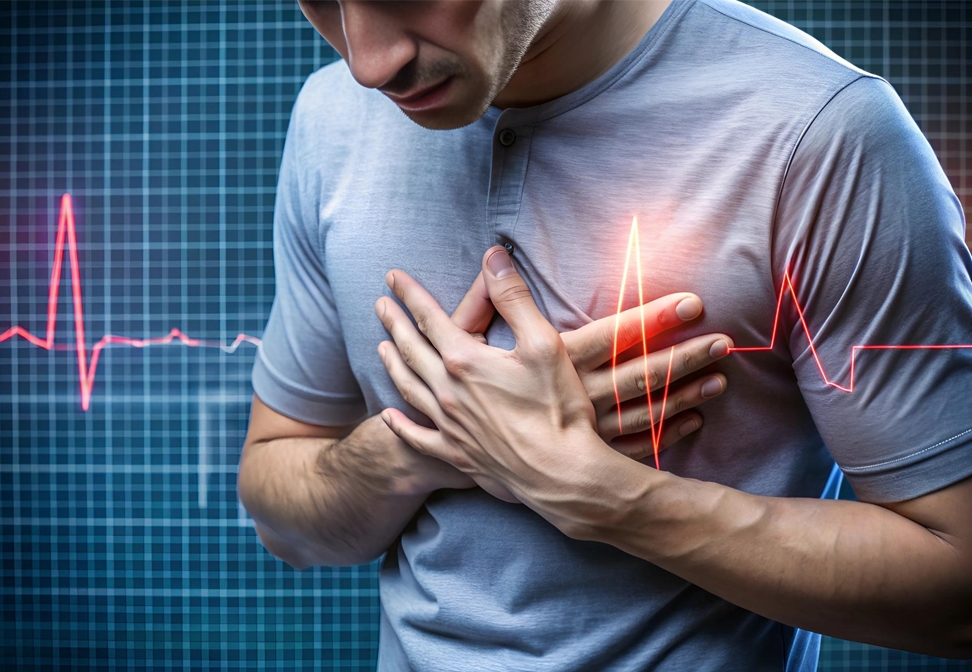
Have you ever felt your heart suddenly racing while sitting quietly? Or did you notice an occasional flutter, pounding sensation, or skipped heartbeat? While these episodes can be alarming, they do not always indicate a serious heart problem. However, if they become frequent or are accompanied by symptoms like dizziness, chest pain, or breathlessness, they should never be ignored.
Our heart works like a perfectly synchronised machine, guided by an intricate electrical system that controls every heartbeat. When this electrical system is disrupted, the heart may beat too fast, too slow, or irregularly, a condition known as arrhythmia. Some arrhythmias are harmless, but others can interfere with the heart's ability to pump blood efficiently and may increase the risk of heart failure, stroke, or even sudden cardiac arrest.
Every heartbeat begins with an electrical impulse that travels through the heart in a precise sequence. This coordinated electrical activity keeps the heart beating at a steady rhythm.
When these electrical signals become abnormal, the heart's rhythm changes. It may beat faster than normal (tachycardia), slower than normal (bradycardia), or in an irregular pattern. As a result, the heart may not pump blood effectively, reducing oxygen supply to the body's vital organs and leading to various symptoms.
Nowadays, one of the most common reasons people visit a cardiologist is because of palpitations, the feeling that your heart is racing, fluttering, pounding, or skipping beats. The good news is that not every palpitation means you have heart disease. Even healthy people may experience palpitations after emotional stress, anxiety, excessive caffeine intake, strenuous exercise, or episodes of high blood pressure. Sometimes, a forceful but otherwise normal heartbeat can also create the sensation of palpitations.
However, if palpitations occur repeatedly, last for several minutes, or are associated with dizziness, breathlessness, chest discomfort, or fainting, they require prompt medical evaluation.
Arrhythmias usually occur when there is a problem in the heart's electrical system or underlying heart structure. Certain medical conditions significantly increase the risk.
People living with diabetes, high blood pressure, high cholesterol, obesity, coronary artery disease, or previous angioplasty or coronary stenting
are more likely to develop abnormal heart rhythms. Structural heart diseases can also affect the electrical pathways that regulate heartbeat.
This is why people with these conditions should never ignore symptoms such as frequent palpitations or unexplained fatigue.
One of the biggest challenges with arrhythmias is that they may come and go. A routine examination may appear completely normal even if a patient experiences symptoms occasionally. To accurately diagnose an arrhythmia, cardiologists may recommend: ECG, 2D ECHO and Holter Monitoring.
Dr.
Mandeep Singh, Cardiologist at
Ujala
Cygnus Maharaja Aggarsain Hospital, Panipat
has answered a few important questions. You can read it here.
What is an irregular heartbeat (arrhythmia), how do I know if I have one, and how does it affect the heart's normal electrical system?
Arrythmia is occurrence of abnormal rhythm. It can be slow, fast, or irregular rhythm. Patients will have symptoms of palpitations and dyspnea when they have Arrythmia. It creates adverse effect on performance of heart.
Are all palpitations a sign of heart disease, or can they occur in healthy individuals as well?
Palpitations are abnormal uncomfortable perception of heartbeat. It is main symptom of Arrythmia. But it can occur with normal heartbeat also when there is forceful contraction of heart or there is high BP.
What are the most common causes of arrhythmias, and who is at higher risk? How are arrhythmias diagnosed, and what tests are commonly recommended?
Arrythmias occur when there is problem in anatomy of function of electrical system of heart. People with comorbidities like Diabetes, Hypertension, Dyslipidemia, Obesity, Coronary artery disease, or history of coronary stenting are at higher risk for Arrythmia. Main tests for diagnosis of Arrythmia are ECG, Echocardiography, and Holter Monitoring.
When should an irregular heartbeat be considered a medical emergency, and what symptoms should not be ignored?
If irregular heartbeat is associated with severe chest pain, breathlessness, hypotension, unconsciousness episodes; then it shouldn't be ignored. Hospital visits should be done to avoid complications like heart failure, stroke, or heart attack.
What treatment options are available for arrhythmias, and how do doctors decide the best approach?
Treatment of Arrythmia is medical management with anti-arrhythmic medicines, injections to control heart rate, pacemaker implants, AICD device, CRT device etc. Best approach is decision based on different presentations of each case.
Can arrhythmias be prevented, especially in people with heart disease or diabetes?
Arrythmias can be prevented by use of anti-arrythmic medicines, injections to control heart rate, and anticoagulant medicines. Pacemaker and AICD implants can prevent unconsciousness episodes or serious Arrythmia like CHB, VT, VF etc.
What advice would you give to someone who has recently been diagnosed with arrhythmia?
Any patient recently diagnosed with Arrythmia should get properly tested (Echo, Holter test), clinically evaluated (CHADsVaSC scoring), and follow decision made for management (management with medicines only, or if Pacemaker, AICD, CRT implants etc are needed). All services are available at our hospital.
If you have questions regarding please contact your nearest
Ujala Cygnus Hospital. You can also reach out to our health experts at
askadoctor@ujalacygnus.com or
click here to book an appointment with
Dr. Mandeep Singh.
If you have questions regarding high blood pressure, also known as hypertension, please contact your nearest
Ujala Cygnus Hospital. You can also reach out to our health experts at
askadoctor@ujalacygnus.com or
click here to book an appointment with
Dr. Mandeep Singh.
FAQ
Can lifestyle changes help prevent arrhythmia?
Yes, managing blood pressure, diabetes, and cholesterol, maintaining a healthy weight, exercising regularly, avoiding smoking, and limiting alcohol and caffeine can help reduce the risk.
Can arrhythmia be cured?
Many arrhythmias can be effectively managed with medications, lifestyle changes, or procedures such as pacemaker implantation, AICD, or catheter-based treatments, depending on the underlying cause.
can stress and anxiety trigger an irregular heartbeat?
Yes, stress, anxiety, lack of sleep, and emotional distress can trigger palpitations or certain types of arrhythmias, especially in susceptible individuals.
Can caffeine or alcohol cause arrhythmia?
Yes, excessive consumption of caffeine, alcohol, energy drinks, or smoking may trigger irregular heartbeats in some people. Moderation is recommended, particularly if you have a history of arrhythmia.
Can arrhythmias occur even if I have a healthy heart?
Yes, some arrhythmia can occur in otherwise healthy individuals and may be harmless. However, persistent or recurrent symptoms should always be evaluated to rule out an underlying heart condition.
14. Can exercise help or worsen arrhythmias?
Regular, moderate exercise is beneficial for heart health. However, people with diagnosed arrhythmias should consult their cardiologist before starting or changing an exercise routine, as certain rhythm disorders may require activity restrictions.
Loading...