Preventive Health Check-Up: Know When, Why and Which Tests You May Need
By Priyambda Sahay
Reviewed by : Ujala Cygnus
August 14, 2026
We often visit a doctor only when we develop symptoms. But some health conditions can develop silently for years without causing noticeable symptoms. This is where preventive health check-ups can play an important role.
A preventive health check-up helps assess your current health, identify potential risk factors and detect certain diseases at an early stage. But does a “full body check-up” really test every organ? Which tests are actually necessary? And does a normal health report mean you are completely disease-free?
There are several health check-up packages available today, but the right package should ideally be selected according to your age, gender, lifestyle, family history and existing health conditions.
Dr. Shuchin Bajaj, Founder-Director of the Ujala Cygnus Hospitals, has provided detailed information regarding this.
Why Is Preventive Health Check-Up Important?
Some conditions can remain hidden for a long time before symptoms appear. High blood pressure, high blood sugar, diabetes, high cholesterol, fatty liver, kidney problems, thyroid disorders and anaemia may sometimes be detected only after they have progressed or caused complications.
The purpose of preventive healthcare is therefore not simply to “find diseases”. It is also to identify health risks early, allowing appropriate lifestyle changes, monitoring or treatment when required.
Early identification can give you an opportunity to address a problem before it becomes more complicated.
Which Tests Are Commonly Included?
There is no single standard “full body check-up” that is suitable for everyone. However, several basic investigations are commonly included in preventive health assessments.
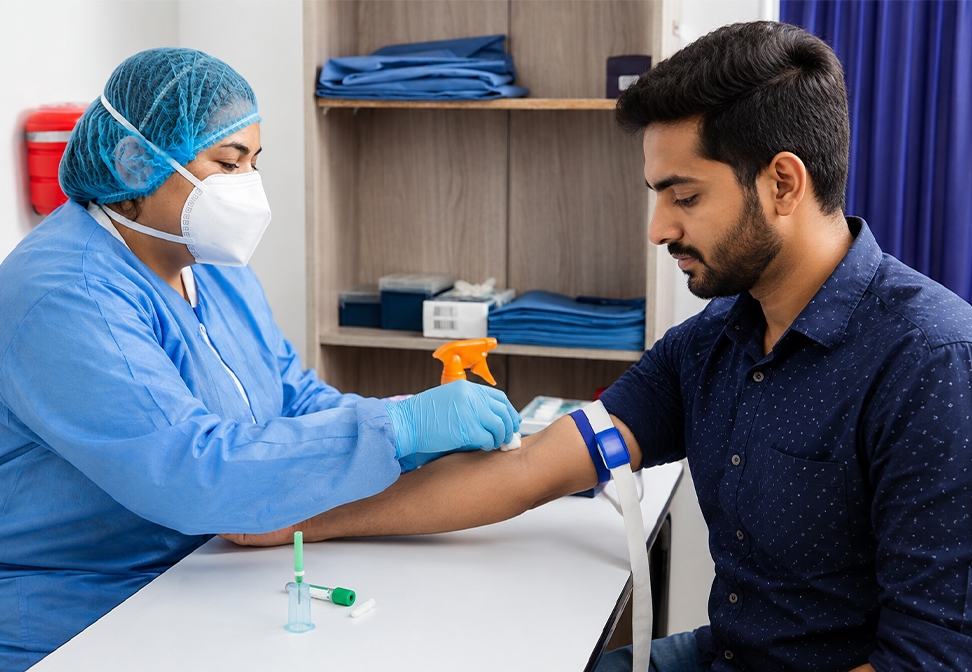
Complete Blood Count (CBC)
A CBC or complete haemogram can provide information about anaemia, infection and other blood-related abnormalities.
Blood Sugar Tests
Tests such as fasting blood sugar, post-prandial blood sugar and HbA1c can help assess blood glucose levels. HbA1c provides an indication of average blood sugar levels over approximately the previous three months and can help identify diabetes or prediabetes.
Lipid Profile
A lipid profile measures parameters such as HDL, LDL and triglycerides. These results can help assess cholesterol levels and cardiovascular risk. High cholesterol may not cause noticeable symptoms but can contribute to the risk of heart disease and stroke.
Liver Function Test
Liver function tests can provide information about liver health and may help identify abnormalities that require further evaluation. They may also be useful when assessing conditions such as fatty liver.
Kidney Function Tests
Kidney function tests (KFT) assess kidney health. Kidney problems may not always produce early symptoms, making appropriate testing particularly important for people with risk factors such as diabetes or high blood pressure.
Thyroid Function Tests
Thyroid testing may be recommended when there are symptoms such as unexplained weight changes, fatigue, hair loss or menstrual irregularities.
Urine Examination
Urine testing can provide useful information about kidney problems, infections and certain metabolic conditions. Blood pressure measurement should also form an important part of routine health assessment.
Does Everyone Need the Same Health Tests?
No, everyone does not require the same health test. The need for tests depends on individual factors. Age, gender, family history, existing medical conditions, lifestyle and previous health reports can all influence which investigations are appropriate.
Depending on the individual's risk profile, a doctor may recommend additional tests such as ECG, chest X-ray, Vitamin D or Vitamin B12 testing. Women may be advised to undergo appropriate screening such as Pap smear or mammography, while PSA testing may be considered for men depending on age and individual risk.
This is why choosing the most expensive or most comprehensive-looking package does not necessarily mean choosing the most appropriate one.
At What Age Should You Start Preventive Health Check-Ups?
There is no single schedule that applies to everyone. For a healthy person below 30 who does not smoke or drink and has no significant family history, periodic health assessment may be sufficient, with appropriate monitoring such as blood pressure and occasional blood sugar testing as advised by a doctor.
Between 30 and 40, greater attention may be given to diabetes, blood pressure and cholesterol screening, particularly when there is a family history of these conditions.
After 40, regular health assessments and age-appropriate screening become increasingly important. People who already have conditions such as diabetes, hypertension or thyroid disorders may require more frequent monitoring.
Do You Need a Full Health Check-Up Every Year?
Not necessarily, it is a common misconception that everyone must undergo every preventive health test every year. The frequency and type of testing should depend on your age, health status, family history, lifestyle and previous medical reports.
Your doctor can help determine which tests are appropriate and how frequently they should be repeated.
Can a Preventive Health Check-Up Detect Every Disease?
No, a preventive health check-up cannot detect every disease. Its primary purpose is to identify certain common health conditions and risk factors, particularly those that may remain silent in their early stages.
A routine preventive check-up does not automatically require full-body MRI or CT scans. Such investigations should generally be considered when there is an appropriate medical indication.
A normal report only reflects your health at that point in time; it does not guarantee you will remain free from health problems in the future.
Is a Blood Test Enough?
No, preventive healthcare is much broader than blood investigations. A comprehensive assessment may also include blood pressure, weight/BMI, lifestyle assessment, family history and clinical evaluation by a doctor. Additional screening or investigations may be recommended depending on individual risk factors.
Can Preventive Healthcare Actually Prevent Disease?
The tests themselves do not prevent disease. However, early identification of health risks can allow a person to make timely lifestyle changes, undergo appropriate monitoring and begin treatment when required.
For example, identifying high blood sugar, high blood pressure or abnormal cholesterol levels early may provide an opportunity to address these risks before complications develop.
The Right Health Check-Up Is the One That Fits You
A preventive health check-up is not about purchasing the biggest or most expensive package. It is about understanding what your body needs based on your age, lifestyle, family history and medical risk factors.
Regular preventive care can help identify silent health problems and risk factors at an earlier stage, giving you an opportunity to take appropriate action.
Remember, feeling healthy does not always mean everything inside the body is healthy. A personalised preventive health assessment, combined with a healthy lifestyle and appropriate medical follow-up, can be an important step towards long-term well-being.
If you have any questions regarding preventive health checkups, you can contact your nearest Ujala Cygnus Hospital. You can click here to book an appointment with our doctors. You can also reach out to our health experts at askadoctor@ujalacygnus.com .
Frequently Asked Questions
Is preventive health check-up necessary for a healthy person? Yes. Even if you feel healthy, some health conditions may not produce noticeable symptoms in their early stages. Appropriate preventive assessment can help identify certain health risks early.
Does everyone need the same health check-up package? No. Tests should be selected according to age, gender, medical history, family history and individual risk factors.
Can preventive check-ups detect cancer? Some cancers have specific screening methods that can help identify disease or risk at an early stage. However, there is no single screening test that detects every type of cancer. Appropriate screening depends on age, gender and individual risk.
How often should I undergo a preventive health check-up? There is no fixed frequency for everyone. Your age, overall health and risk factors determine how often specific assessments may be appropriate.
If all my reports are normal, do I still need future check-ups? Yes. A normal report is reassuring, but it only reflects your health status at that point in time. Continued preventive care helps monitor changing health risks.
Loading...