

Best Cancer Surgeon in Jammu
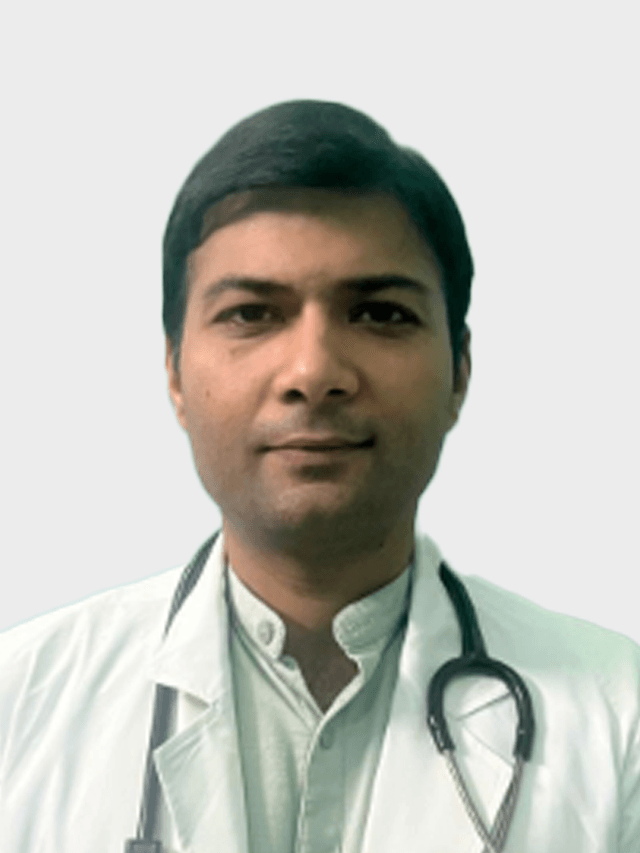
Surgical Oncologist in Jammu
A cancer diagnosis can bring many questions about treatment, surgery and where to seek the right care. For patients and families, travelling repeatedly to a distant metropolitan city for consultations, procedures and follow-up appointments can add financial, physical and emotional strain during an already difficult time.
Ujala Cygnus Hospital in Jammu provides access to specialised surgical oncology care closer to home, with a focus on clinical quality, affordability and patient-centred support. Patients receive coordinated care supported by experienced doctors, diagnostic services, surgical facilities and other relevant specialities throughout evaluation, treatment and recovery.
Each case is assessed carefully, with treatment planned according to the type and stage of cancer, the patient’s overall health and the need for additional therapies. By bringing multidisciplinary cancer care closer to local communities, Ujala Cygnus helps patients access timely guidance and appropriate treatment without the added burden of frequent long-distance travel.
What is a Surgical Oncologist?
A surgical oncologist is a doctor who specialises in diagnosing and treating cancer through surgery. They may perform a biopsy to confirm a diagnosis, remove cancerous tumours and carry out complex procedures while aiming to preserve as much healthy tissue and organ function as possible.
Surgical oncologists also help determine the stage of cancer and work closely with other specialists to plan treatment. Their role often continues beyond surgery, with support provided during recovery, follow-up care and any additional treatment that may be required.
When Should You Consult a Surgical Oncologist?
You may be referred to a surgical oncologist when cancer is suspected or confirmed and surgery may be needed for diagnosis or treatment. An early consultation can help clarify the condition, determine whether surgery is appropriate and explain how it may fit into the overall cancer care plan. You should consult a surgical oncologist in situations such as:
A confirmed cancer diagnosis: If cancer has been diagnosed through biopsy or other investigations, a surgical oncologist can evaluate whether surgical management may be part of the treatment plan.
A suspicious lump or abnormal growth: Any unusual lump, swelling, or growth that requires further assessment may need evaluation by a specialist.
Abnormal biopsy or imaging findings: If test results indicate the possibility of cancer, a surgical oncologist can help assess the condition and guide the next steps.
Need for a second opinion: If you have been advised to undergo cancer surgery, seeking a second opinion from a surgical oncologist can help you better understand available options.
Cancer requiring surgical evaluation: Certain cancers may require assessment by a surgical oncologist to determine the role of surgery based on the tumour type, location, and stage.
Recurrence or progression of cancer: Patients with previously treated cancer who experience recurrence or changes in their condition may benefit from consultation with a surgical oncologist.
At Ujala Cygnus Hospital, our surgical oncologist provides thorough evaluation and personalised guidance to help patients understand their treatment options and make informed decisions about the next steps in their cancer care.
Conditions & Cancers Managed by Our Surgical Oncologist
The surgical oncologist at Ujala Cygnus Hospital, Jammu, evaluates and treats cancers affecting different organs and body systems. Each case is assessed carefully, with treatment planned in coordination with medical oncologists, radiation oncologists, radiologists, pathologists and other specialists to support accurate diagnosis and personalised cancer care.
Breast Cancer
Breast cancer develops when abnormal cells in the breast begin to grow uncontrollably. Although it mainly affects women, it can also occur in men. Possible signs include a breast lump, changes in the size or shape of the breast, skin dimpling, nipple changes or unusual discharge. Surgical treatment may involve removing the tumour or affected breast tissue, depending on the type and stage of cancer.
Gastrointestinal Cancers
Gastrointestinal cancers affect the digestive system and may involve the oesophagus, stomach, liver, pancreas, colon, or rectum. Symptoms can vary depending on the affected organ and may include persistent abdominal pain, difficulty swallowing, changes in bowel habits, unexplained weight loss or blood in the stool. Surgery may be considered to remove the tumour and nearby affected tissue as part of a broader treatment plan.
Head and Neck Cancers
Head and neck cancers develop in areas such as the mouth, throat, tongue, voice box, salivary glands, and sinuses. Warning signs may include a mouth ulcer that does not heal, persistent hoarseness, difficulty swallowing, a prolonged sore throat or swelling in the neck. Surgical care is planned carefully to treat the cancer while preserving essential functions such as speech, swallowing and appearance whenever possible.
Thyroid Cancer
Thyroid cancer begins in the thyroid gland located at the base of the neck. It may appear as a painless lump or be detected during an imaging test performed for another reason. Some patients may also experience difficulty swallowing, neck discomfort or changes in their voice. Depending on the diagnosis, surgery may involve removing part or all of the thyroid gland.
Gynaecological Cancers
Gynaecological cancers affect the female reproductive organs, including the ovaries, uterus, cervix, vulva, and fallopian tubes. Symptoms vary depending on the type of cancer but may include abnormal vaginal bleeding, pelvic pain, abdominal bloating, or changes in urinary or bowel habits. Treatment is planned according to the organ affected, the extent of the disease and the patient’s overall health.
Urological Cancers
Urological cancers involve the urinary tract and male reproductive organs, including the kidneys, bladder, prostate, and testes. Possible symptoms include blood in the urine, changes in urinary habits, persistent lower back pain or a testicular lump. Surgical treatment may be recommended to remove the tumour while preserving organ function wherever medically possible.
Soft Tissue Tumours and Sarcomas
Soft tissue tumours and sarcomas are uncommon cancers that arise from muscles, fat, blood vessels, nerves, or connective tissues. They often appear as a painless lump that gradually increases in size, although pain or restricted movement may occur depending on the tumour’s location. Surgery is commonly used to remove the tumour with an adequate margin of surrounding healthy tissue.
Skin Cancers
Skin cancers develop when abnormal cells grow within the skin, often due to prolonged exposure to ultraviolet (UV) radiation. Warning signs include a new skin growth, a sore that does not heal, or changes in the size, shape, or colour of an existing mole. Surgical treatment aims to remove the cancer completely while preserving as much healthy skin and surrounding tissue as possible.
Diagnostic Evaluation Before Cancer Surgery
Before recommending cancer surgery, the surgical oncologist needs a clear understanding of the diagnosis, the extent of the disease and the patient’s overall health. At Ujala Cygnus Hospital, Jammu, the evaluation begins with a detailed review of the patient’s symptoms, medical history, previous test results and current health concerns. Depending on the suspected or confirmed cancer, the evaluation may include:
Clinical Examination and Report Review
The surgical oncologist reviews the patient’s symptoms, medical history, previous treatments and available reports. A physical examination may also be performed to assess a lump, swelling or other visible or palpable changes.
Biopsy and Histopathology
A biopsy may be recommended to collect a tissue sample from the suspicious area. The sample is examined by a pathologist to confirm whether cancer is present and identify the type and characteristics of the tumour. These findings play an important role in determining whether surgery is appropriate and how the procedure should be planned.
Imaging and Cancer Staging
Imaging investigations such as ultrasound, mammography, CT scans or MRI scans may be used to identify the tumour’s size and location and assess whether nearby tissues, lymph nodes or other organs are involved. The tests required depend on the type of cancer and the area being evaluated.
Preoperative Health Assessment
Before surgery, the care team may recommend blood tests and other investigations to assess organ function, identify existing health conditions and determine whether the patient is fit for the planned procedure. Anaesthesia and critical care specialists may also be involved when additional medical support is required.
Once the evaluation is complete, the surgical oncologist discusses the findings with the patient and, where needed, other cancer specialists. This helps determine whether surgery is advisable, what type of procedure may be required and how it should fit into the overall treatment plan.
How Cancer Surgery Fits into the Overall Treatment Plan
Surgery may be the main treatment for some cancers, particularly when a solid tumour is confined to one area. In other cases, it may form one part of a broader plan that also includes chemotherapy, radiation therapy, targeted therapy, immunotherapy or hormone therapy.
The surgical oncologist considers the cancer type and stage, the tumour’s location, the patient’s overall health and the likely effect of surgery on organ function before recommending an approach.
Surgery as the Primary Treatment
When cancer is localised and can be removed safely, surgery may be used as the main treatment. Depending on the diagnosis, the procedure may involve removing the tumour along with a margin of surrounding tissue. Nearby lymph nodes may also be assessed or removed when medically indicated.
Treatment Before Surgery
Some patients may receive chemotherapy, radiation therapy or another form of treatment before an operation. Known as neoadjuvant treatment, this approach may help shrink the tumour, make it easier to remove or allow the surgeon to preserve more healthy tissue and organ function.
Treatment After Surgery
Additional treatment may be recommended after surgery to address cancer cells that may remain and reduce the risk of the disease returning. The need for postoperative or adjuvant treatment is determined by factors such as the final histopathology report, cancer stage, lymph-node involvement and tumour characteristics.
Surgery to Manage Symptoms or Complications
When complete removal of the cancer is not possible, surgery may sometimes be considered to relieve symptoms or manage complications such as obstruction, bleeding, pain or pressure on nearby organs. The expected benefits and risks are discussed carefully before proceeding.
At Ujala Cygnus Hospital, Jammu, surgical treatment is planned in coordination with the relevant specialists so that each patient receives a comprehensive care plan suited to their diagnosis, overall health and individual needs.
Why Choose Ujala Cygnus Hospital for Surgical Oncology in Jammu?
Cancer surgery is only one part of the treatment journey. Patients also need accurate diagnosis, careful treatment planning, dependable clinical support and clear guidance at every stage. Ujala Cygnus Hospital, Jammu, brings these elements together through specialised surgical oncology care supported by a multidisciplinary team and patient-focused services.
Specialised Care Closer to Home
Patients from Jammu and nearby areas can access surgical oncology consultation and treatment without repeatedly travelling to a metropolitan city. Receiving care closer to home can make it easier for patients and families to manage consultations, hospital visits, recovery and follow-up appointments.
Multidisciplinary Cancer Care
Cancer treatment may require input from several specialists. The surgical oncologist works in coordination with medical oncologists, radiation oncologists, radiologists, pathologists, anaesthetists, critical care specialists and other members of the care team. This collaborative approach helps ensure that surgery is planned as part of a comprehensive cancer treatment strategy.
Diagnostic, Surgical and Critical Care Support
Ujala Cygnus Hospital is equipped with diagnostic and surgical facilities to support the evaluation and management of different cancers. Access to imaging, pathology, anaesthesia and critical care services helps the medical team plan procedures carefully and support patients before, during and after surgery.
Affordable and Patient-Focused Care
As part of the Ujala Cygnus healthcare network, the hospital focuses on making specialised treatment more accessible and affordable for communities in Tier 2 and Tier 3 cities. Each patient receives guidance based on the diagnosis, overall health and individual treatment needs, with attention to safety, comfort and continuity of care.
Part of an NABH-Accredited Healthcare Network
Ujala Cygnus is an NABH-accredited hospital network with established standards for quality and patient safety. Being part of this network allows Ujala Cygnus Hospital to combine local accessibility with coordinated clinical expertise and broader oncology support.
Book an Appointment with a Surgical Oncologist in Jammu
If you or a loved one has been diagnosed with cancer, has a suspicious lump or growth, or has been advised to consider cancer surgery, timely consultation can help clarify the diagnosis and the available treatment options.
At Ujala Cygnus Hospital, Jammu, the surgical oncologist provides personalised evaluation and care with support from a multidisciplinary oncology team. Patients receive clear guidance on whether surgery may be required, how it fits into the overall treatment plan and what to expect during the next stages of care.
To consult a surgical oncologist in Jammu, call +91 9146691466 or fill out the online appointment form, and our team will get in touch with you.


