High Blood Pressure and High Cholesterol: Causes, Risks, and How to Control Them Naturally
By Priyambda Sahay
Reviewed by : Ujala Cygnus
March 31, 2026
High blood pressure and high cholesterol often occur together because they share many of the same risk factors, such as unhealthy diet, obesity, lack of physical activity, and genetic predisposition.
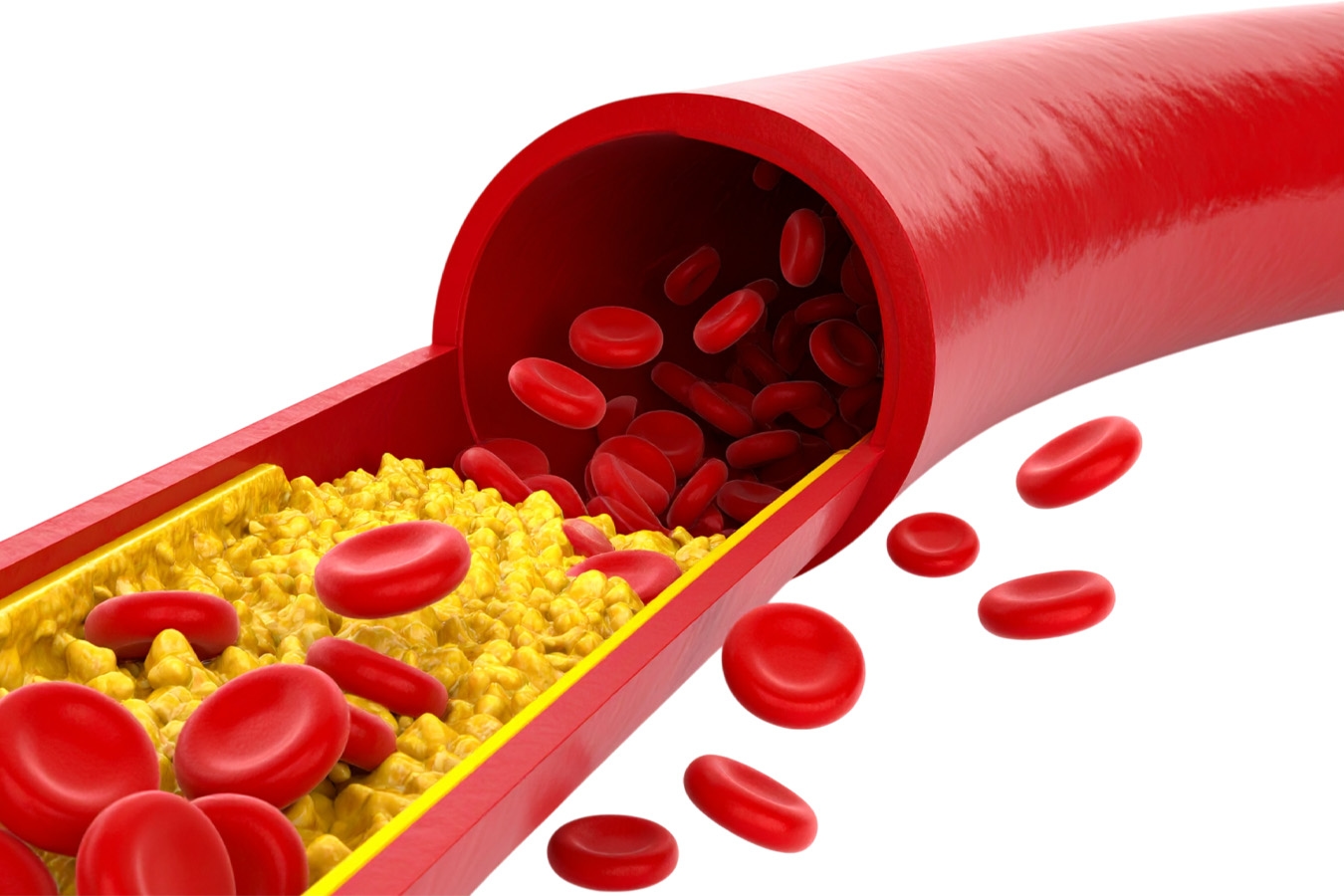
High cholesterol leads to the buildup of fatty deposits, known as plaques, inside the arteries. Over time, these plaques narrow the blood vessels, making it harder for blood to flow smoothly. As a result, the heart has to pump harder to circulate blood throughout the body, which increases blood pressure. When both conditions are present, the risk of developing heart disease and stroke becomes significantly higher.
Modern lifestyle habits have contributed to the rising number of people diagnosed with high blood pressure and high cholesterol. Several factors play a role in this trend.
One of the most significant reasons is sedentary lifestyle. Many people spend long hours sitting at desks, using computers, or watching screens, which reduces overall physical activity. At the same time, there has been a noticeable increase in the consumption of processed foods, fast foods, and sugary beverages, all of which can contribute to weight gain and unhealthy cholesterol levels.
In addition, chronic stress, poor sleep patterns, smoking, alcohol consumption, and rising obesity rates are also contributing to the growing prevalence of these conditions. In recent years, doctors have also observed that high blood pressure and cholesterol are affecting younger adults, which was less common in the past.
Dr Mohan lal, Cardiologist at Ujala Cygnus JK Medicity Hospital, Jammu answers some important questions related to weight management medications.
1. What are the main causes of high blood pressure and high cholesterol? Are they interlinked?
High blood pressure (hypertension) and high cholesterol are common cardiovascular risk factors that often occur together because they share several underlying causes. These conditions are frequently linked to lifestyle habits, metabolic changes, and genetic factors.
Some of the most common causes include an unhealthy diet high in salt, saturated fats, and processed foods, lack of regular physical activity, obesity or excess body weight, smoking, excessive alcohol consumption, chronic stress, poor sleep patterns, family history, or genetic predisposition, and medical conditions such as diabetes.
These two conditions are also closely interconnected. High cholesterol can cause fatty deposits, known as plaques, to accumulate in the arteries, making them narrow and less flexible. This restricts the smooth flow of blood and forces the heart to work harder to pump blood throughout the body, which can eventually lead to increased blood pressure.
When high blood pressure and high cholesterol occur together, they significantly increase the risk of heart disease, heart attacks, and stroke, making early detection and proper management extremely important for maintaining heart health.
2. What lifestyle changes can help people naturally lower their blood pressure and cholesterol levels? What kind of diet should people follow?
Lifestyle changes are the first and most effective step in lowering blood pressure and cholesterol naturally. Maintaining healthy body weight, staying physically active, quitting smoking, limiting alcohol consumption, managing stress through practices like yoga or meditation, and getting adequate sleep can significantly improve heart health.
Diet also plays a key role. A heart-healthy diet should include fresh fruits and vegetables, whole grains such as oats and brown rice, lean proteins like fish, pulses and legumes, and healthy fats from nuts, seeds, and olive oil. At the same time, people should limit fried and processed foods, excess salt, sugary drinks, and red or processed meats. Consistently following these habits can help control blood pressure and cholesterol and reduce the risk of heart disease.
3. How much exercise is recommended to keep blood pressure and cholesterol under control?
We generally recommend at least 150 minutes of moderate physical activity per week, which equals about 30 minutes of exercise on most days.
Good options include:
Brisk walking
Cycling
Swimming
Jogging
Yoga or stretching exercises
Regular physical activity helps improve heart health, reduce bad cholesterol (LDL), increase good cholesterol (HDL), and maintain healthy blood pressure levels.
4. When should a person start medication for high blood pressure or cholesterol? Can lifestyle changes reduce the need for medicines?
Medication may be recommended when:
Blood pressure remains consistently high despite lifestyle changes
Cholesterol levels are significantly elevated
The person has additional risk factors such as diabetes, obesity, or a family history of heart disease
Lifestyle changes can sometimes reduce the need for medication or lower the required dosage, especially if implemented early and consistently. However, patients should never stop or adjust medications without consulting their doctor.
5. What are the long-term health risks if high blood pressure and cholesterol are not managed properly?
If left untreated, these conditions can lead to serious cardiovascular complications, including:
Heart attack
Stroke
Coronary artery disease
Heart failure
Kidney damage
Peripheral artery disease
Over time, uncontrolled blood pressure and cholesterol can damage blood vessels and vital organs, significantly increasing the risk of life-threatening health problems.
If you have specific questions related to high cholesterol and blood pressure, please get in touch with the nearest Ujala Cygnus Hospital or reach our health experts at askadoctor@ujalacygnus.com. or Click here to book an appointment.
Frequently Asked Questions (FAQs)
1. Are high blood pressure and high cholesterol related?
Yes. High cholesterol can narrow the arteries due to plaque buildup, forcing the heart to pump harder and increasing blood pressure.
2. Why are these conditions increasing among younger adults?
Sedentary lifestyles, unhealthy diets, stress, and rising obesity rates are major reasons these conditions are now affecting younger populations.
3. Can lifestyle changes control blood pressure and cholesterol?
Yes. Healthy eating, regular exercise, weight management, stress control, and quitting smoking can significantly improve heart health.
4. How much exercise is needed to control blood pressure?
Experts recommend 150 minutes of moderate exercise per week, such as walking, cycling, swimming, or yoga.
5. What happens if high blood pressure and cholesterol are ignored?
If untreated, they can lead to heart attack, stroke, heart failure, and kidney damage, increasing the risk of serious health complications.
Loading...