Irregular Heartbeat (Arrhythmia): Do Not Ignore It—Timely Diagnosis and the Right Treatment Are Important
By Priyambda Sahay
Reviewed by : Ujala Cygnus
September 26, 2026
Have you ever suddenly felt that your heart was beating very fast? Or felt as if your heart was “fluttering” for a few moments or that its rhythm had become irregular? Sometimes, these sensations may occur for a short period and settle on their own. However, in some cases, they may be a sign of heart arrhythmia
.
Heart arrhythmia means an abnormal or irregular heartbeat
. It occurs when the electrical signals that control the heartbeat do not function properly. As a result, the heart may beat too fast, too slowly, or irregularly and may be accompanied by breathing difficulties. Arrhythmia can sometimes be serious. Therefore, it is important to understand the symptoms and consult a doctor when necessary.
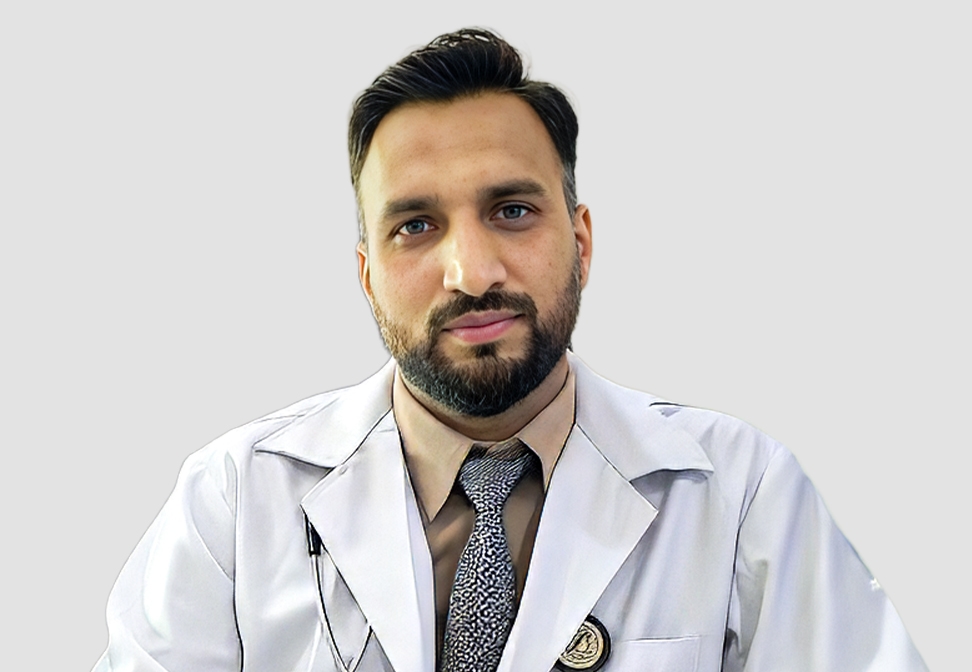
Dr. Mandeep Singh, Cardiologist at Ujala Cygnus Maharaja Aggarsain Hospital, Panipat, has answered several important questions related to arrhythmia.
According to Dr. Mandeep Singh, not every fast or slow heartbeat means arrhythmia. In some situations, a change in heart rate can be a normal response of the body. For example, the heart rate may increase during exercise or physical activity
, while it may slow down during sleep.
Similarly, physically fit and active people may have a resting heart rate below 60 beats per minute and still be healthy. Therefore, a medical condition should not be diagnosed based only on a single heart-rate reading. Proper evaluation and treatment should be undertaken based on a doctor's advice.
What Are the Symptoms of Heart Arrhythmia?
In some cases, arrhythmia may cause no obvious symptoms
. It may be detected during a routine health check-up or while undergoing tests for another condition.
When symptoms occur, a person may feel that their heart is beating very fast, pounding strongly, or fluttering. Other symptoms may include:
Chest pain
Shortness of breath
Extreme tiredness
Anxiety or uneasiness
Light-headedness
Dizziness
Sweating
Feeling faint or losing consciousness
If an abnormal heartbeat is accompanied by chest pain, severe breathing difficulty, or fainting/fainting-like symptoms
, it should be taken seriously, and immediate medical attention should be sought.
What Are the Main Types of Heart Arrhythmia?
Arrhythmias can occur in different forms. Two commonly discussed types are:
Tachycardia
When the heart rate is more than 100 beats per minute at rest
, it is called tachycardia. A person may feel that their heart is beating very fast or may become aware of their heartbeat.
Bradycardia
When the heart rate is less than 60 beats per minute at rest
, it is called bradycardia. However, a low heart rate does not always indicate a disease. It can be normal, particularly in physically fit people.
It can become a concern when a slow heartbeat affects the supply of blood to the body and brain and causes symptoms such as weakness, dizziness, or fainting.
Atrial Fibrillation (AFib)
Atrial fibrillation
, or AFib, is an irregular and often rapid rhythm involving the upper chambers of the heart. In some patients, it can increase the risk of stroke
. Therefore, medical evaluation is important.
Why Does Arrhythmia Occur?
Arrhythmia occurs due to problems with the heart's electrical signals. Therefore, recurring episodes of a fast, slow, or irregular heartbeat should not simply be attributed to stress or tiredness.
Doctors evaluate the patient and perform appropriate tests to determine whether the change in heartbeat is normal or related to an underlying heart condition.
To diagnose arrhythmia, doctors assess the patient's symptoms and medical history and may perform tests to evaluate the heart's rhythm. Since some arrhythmias occur only for short periods, certain patients may require continuous or longer-term monitoring of their heartbeat.
After reviewing the test results, doctors determine whether treatment is required or whether monitoring is sufficient.
How Is Heart Arrhythmia Treated?
Treatment depends on the type of arrhythmia and the patient's condition
. In some patients, medicines may be used to control a fast, slow, or irregular heartbeat. Some patients may require devices such as a pacemaker
. Depending on the situation, other procedures or surgery may also form part of the treatment.
The main goals of treatment are to control the abnormal heart rhythm, reduce symptoms, and lower the risk of potential complications.
Who Is at Higher Risk of Arrhythmia?
Arrhythmia occurs when there is a problem with the structure or functioning of the heart's electrical system.
People with conditions such as diabetes, hypertension, dyslipidemia (high cholesterol), obesity, or coronary artery disease (heart attack)
, as well as those who have undergone coronary stenting, may have a higher risk of arrhythmia.
How Is Arrhythmia Diagnosed and What Tests Are Commonly Recommended?
The main tests used to evaluate arrhythmia include:
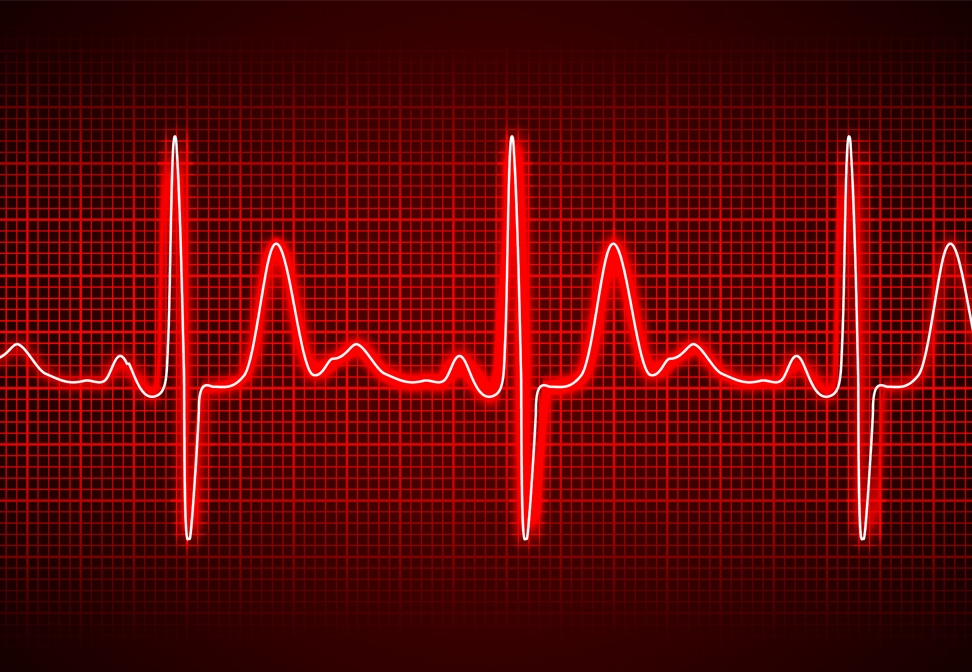
ECG (Electrocardiogram)
Echocardiography
Holter monitoring
The doctor decides which tests are appropriate based on the patient's symptoms and clinical condition.
Why Is It Important to Understand Arrhythmia?
The heartbeat is an important indicator of the body's functioning. An occasional change in heart rhythm may not always be a cause for concern, but recurrent abnormal heartbeats or symptoms should not be ignored
.
Timely diagnosis, appropriate testing, and suitable treatment can help control many types of arrhythmia and may help patients maintain a better quality of life.
What Advice Would You Give Someone Who Has Recently Been Diagnosed with Arrhythmia?
A person who has recently been diagnosed with arrhythmia should undergo the tests recommended by their doctor, such as an echocardiogram or Holter monitoring
, along with appropriate clinical evaluation, which may include CHA₂DS₂-VASc scoring
where relevant.
Patients should also follow the treatment plan recommended by their doctor. Depending on the individual's condition, treatment may involve medicines or devices such as a pacemaker, AICD, or CRT
.
These facilities are available at our hospital.
If you have questions related to arrhythmia, consult a cardiologist at your nearest Ujala Cygnus Hospital, or email askadoctor@ujalacygnus.com to connect with our specialists. To book an appointment with Dr. Mandeep Singh, click here.
FAQ
Does feeling a fast or abnormal heartbeat (palpitations) always indicate heart disease, or can it occur in healthy people?
Palpitations refer to an unusual or uncomfortable awareness of the heartbeat. Although they can be a symptom of arrhythmia, they can also occur with a normal heartbeat—for example, when the heart contracts more strongly or when blood pressure is high. Therefore, palpitations can occasionally occur even in otherwise healthy people.
When should an irregular heartbeat be considered a medical emergency?
If an irregular heartbeat is accompanied by severe chest pain, difficulty breathing, low blood pressure, or fainting
, it should not be ignored. Medical attention should be sought promptly because serious complications can occur.
What treatment options are available for arrhythmia, and how does a doctor decide on the appropriate treatment?
Treatment options may include anti-arrhythmic medicines, injections to control the heart rate, pacemaker implantation, AICD devices, and CRT devices
. The appropriate approach is determined based on the individual patient's condition.
Can people with heart disease or diabetes prevent complications from arrhythmia?
Anti-arrhythmic medicines, medicines or injections to control heart rhythm, and anticoagulants (blood-thinning medicines) may be used in appropriate patients to control arrhythmia or reduce the risk of serious complications. Pacemakers and AICD implantation may be used in selected patients with serious arrhythmias or conduction problems such as complete heart block (CHB), ventricular tachycardia (VT), and ventricular fibrillation (VF).
When should you be alert about your heartbeat?
If your heartbeat repeatedly feels abnormal, is very fast or very slow even at rest, or is accompanied by dizziness, breathing difficulty, chest pain, severe weakness, or fainting
, it is important to consult a doctor.
Loading...